Source Heat Resistant Silicone Spatula for Cooking, Baking, and Grilling
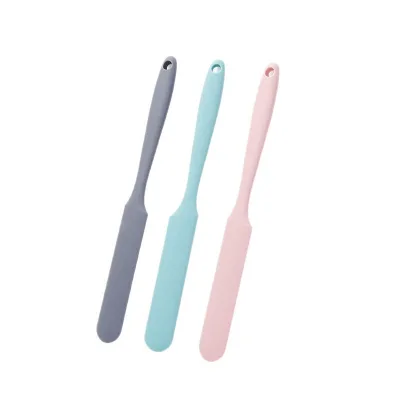
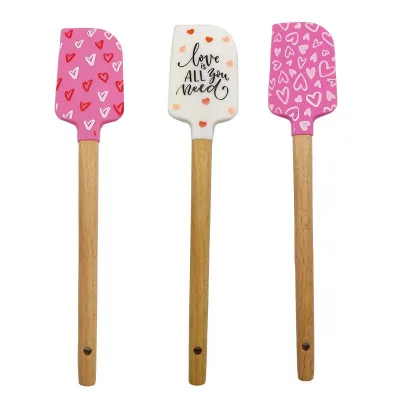
Compare 30 heat resistant silicone spatula options from verified Chinese manufacturers. Buyers can evaluate features like FDA certification, custom colors, and sizes ranging from 14 to 16 inches for hotel, restaurant, and home use.
Key considerations
Products List






Comprehensive Sourcing Guide
Heat Resistant Silicone Spatula Sourcing Guide
Sourcing heat resistant silicone spatulas requires a careful balance between material integrity, functional design, and regulatory compliance. These tools are essential in professional kitchens, bakeries, and home cooking environments where non-stick cookware protection and high-temperature stability are paramount. The market offers a wide variety of options, ranging from simple rubber scrapers to comprehensive cooking sets, each with distinct specifications that impact their suitability for specific culinary tasks. Buyers must navigate a landscape defined by diverse material grades, certification requirements, and manufacturing origins to ensure they procure tools that meet both safety standards and operational demands.
The procurement process is further complicated by the variability in product attributes such as color, size, and customization options. While silicone is the dominant material due to its flexibility and heat resistance, the specific formulation and manufacturing quality can vary significantly between suppliers. Observations from current listings indicate a broad range of models, from standard 14-inch spatulas to specialized cookie molds and long-handled scrapers. Understanding these variations is critical for aligning product selection with end-user needs, whether for hotel kitchens requiring durable, branded tools or retail markets seeking eco-friendly, customizable options.
Product Scope and Observed Listing Signals
The current market for heat resistant silicone spatulas encompasses a diverse array of product types, including individual spatulas, cooking sets, and specialized pastry tools. Listings reveal products labeled as "Silicon Spatula," "Rubber Scrapers," and "Non-Stick Heat Resistant Silicon," indicating a convergence of terminology that buyers must clarify during sourcing. Common applications span cooking, oven backing, and BBQ grilling, with specific models designed for non-stick cookware to prevent surface damage. The presence of "Eco-Friendly" and "Sustainable" attributes suggests a growing market segment focused on environmentally conscious procurement, while "Non-Disposable" classifications highlight the durability expected in professional settings.
Physical specifications vary widely, with observed sizes ranging from compact 3.94-inch cookie molds to extended 16-inch spatulas. Color options are extensive, with suppliers offering any Pantone color for customization, though standard white, red, and blue are frequently listed. Packaging methods also differ, with some items shipped in individual OPP bags or plastic bags within cartons, while others are sold as single units. These variations in size, color, and packaging reflect the need for tailored solutions, whether for bulk institutional supply or retail distribution, requiring buyers to specify exact dimensions and aesthetic preferences to avoid mismatches in final delivery.
Technical Specifications to Verify
Verifying technical specifications is crucial to ensuring the spatulas meet functional requirements, particularly regarding size and material composition. Buyers should confirm the exact dimensions of each tool, as listings show standards ranging from 10 to 16 inches, with specific models like the JY009 offering 21cm and 28cm options. The material is consistently identified as silicone, but the degree of heat resistance and flexibility can vary. It is essential to verify that the silicone is food-grade and capable of withstanding the temperatures associated with oven backing and BBQ grilling without degrading or releasing harmful substances.
Model numbers and structural designs also play a significant role in performance. Products like the GQ-BA3063 and GQ-BA3071 represent specific baking and pastry tools, while others like the ktc11001 are designed as cookie molds. Buyers must distinguish between general-purpose spatulas and specialized tools, such as those with "Ordinary" length or specific handle designs for better grip. Additionally, the distinction between "Stocked" items and custom-made products affects lead times and availability. Confirming whether a product is a single item or part of a kit, such as the "Kit Number: 1" observed in some listings, ensures accurate inventory planning and cost estimation.
Compliance and Safety Documentation
Compliance with international safety standards is non-negotiable for food-contact silicone products. Listings frequently cite certifications such as FDA, LFGB, CE/EU, CIQ, and EEC, which are critical for market access in different regions. Buyers must verify that these certifications are current and applicable to the specific product models being sourced. For instance, while some products list FDA and LFGB compliance, others may only have CE/EU certification. It is imperative to request valid test reports and certificates of conformity to ensure that the silicone used does not contain harmful fillers or contaminants that could leach into food during high-temperature cooking.
The origin of the products also influences compliance verification. Many listed items originate from Guangdong or Fujian in China, regions known for silicone manufacturing but requiring rigorous quality checks. Buyers should ensure that suppliers provide documentation proving adherence to local and international regulations, including REACH for European markets or specific FDA guidelines for the United States. Additionally, the "Eco-Friendly" and "Sustainable" claims should be backed by verifiable data, such as recyclability information or sustainable sourcing practices, to align with corporate social responsibility goals and consumer expectations.
Cost Drivers and Commercial Terms
Cost structures for heat resistant silicone spatulas are influenced by material quality, customization, and order volume. Observed price ranges vary significantly, reflecting differences in product complexity and certification levels. Minimum Order Quantities (MOQs) also fluctuate, with some items requiring as few as 3 units for customization, while others demand MOQs of 720 or 1440 pieces. Buyers must balance the desire for customization, such as custom logos or Pantone colors, against the higher MOQs and potential price premiums associated with bespoke orders.
Commercial terms, including packaging and shipping, further impact total landed costs. Products are typically packed in OPP bags, plastic bags, or cartons, with some suppliers offering single-item packaging for retail readiness. The distinction between "Stocked" items and made-to-order products affects lead times and inventory management. Buyers should negotiate clear terms regarding payment methods, shipping responsibilities, and return policies for defective items. Understanding these commercial dynamics allows for more accurate budgeting and ensures that the procurement process aligns with financial constraints and supply chain requirements.
Supplier Qualification and Quality Control
Qualifying suppliers involves assessing their manufacturing capabilities, quality control processes, and track record. Buyers should prioritize suppliers who provide comprehensive certification documentation and have a history of producing compliant silicone products. Factory audits, whether virtual or on-site, can verify production standards, material handling practices, and quality assurance protocols. It is essential to confirm that suppliers have robust testing procedures in place to detect defects such as tearing, discoloration, or improper curing, which can compromise the durability and safety of the spatulas.
Quality control should extend to post-production inspections, including random sampling and functional testing of the spatulas. Buyers should establish clear acceptance criteria for color consistency, dimensional accuracy, and material flexibility. Engaging third-party inspection services can provide an additional layer of assurance, particularly for large orders or new supplier relationships. By implementing rigorous quality control measures, buyers can minimize the risk of receiving substandard products and ensure that the spatulas meet the expected performance standards in professional and home kitchen environments.
Long-Term Procurement Checks
Long-term procurement success depends on continuous monitoring of supplier performance and product quality. Buyers should establish key performance indicators (KPIs) related to delivery times, defect rates, and customer feedback to evaluate supplier reliability over time. Regular reviews of certification status are necessary to ensure ongoing compliance with evolving regulatory standards. Additionally, staying informed about market trends, such as new silicone formulations or sustainable packaging options, can help buyers adapt their sourcing strategies to meet changing consumer demands and environmental regulations.
Building a resilient supply chain involves diversifying suppliers and maintaining open communication channels. Buyers should foster collaborative relationships with suppliers to address issues promptly and explore opportunities for cost optimization or product innovation. Periodic re-evaluation of product specifications and commercial terms ensures that the sourcing strategy remains aligned with business objectives. By proactively managing these long-term checks, buyers can secure a steady supply of high-quality heat resistant silicone spatulas that support their operational needs and brand reputation.
FAQs
What certifications do these silicone spatulas hold?
These silicone spatulas hold FDA, LFGB, CE/EU, CIQ, and EEC certifications. This ensures they meet international safety standards for food contact and are suitable for use in hotels, restaurants, and bakeries without health risks.
Can I customize the color and logo on these spatulas?
Yes, customization is available for both color and logo. You can select any Pantone color, and custom logos are supported, though a minimum order quantity of 3000 sets is required for logo customization on these eco-friendly items.
What are the available sizes and specifications for these tools?
Available sizes include 14 inches, 16 inches, and standard lengths of 10, 12, 14, and 16 inches. Specific models also come in standard dimensions like 21cm or 28cm, catering to various cooking and baking needs in professional kitchens.
Where are these silicone spatulas manufactured and shipped from?
These products originate from China, specifically from Guangdong and Fujian provinces. They are packaged in OPP bags or cartons and are designed for non-stick cookware, ensuring durability and heat resistance during cooking and baking processes.
What is the minimum order quantity for these silicone spatulas?
The minimum order quantity varies by product, ranging from 3 units to 10,000 units depending on the specific model. For example, some models require 720 pieces or 1,440 pieces, while custom logo orders need 3,000 sets.
Are these spatulas suitable for oven baking and BBQ grilling?
Yes, these spatulas are designed for cooking, baking in ovens, and BBQ grilling. They are heat resistant and non-stick, making them ideal for use with non-stick cookware in various culinary applications including home and commercial kitchens.